What does your baby see?
Move the slider from newborn to two years old. The picture changes the way real infant sight changes — detail, contrast and colour each arrive on their own schedule.

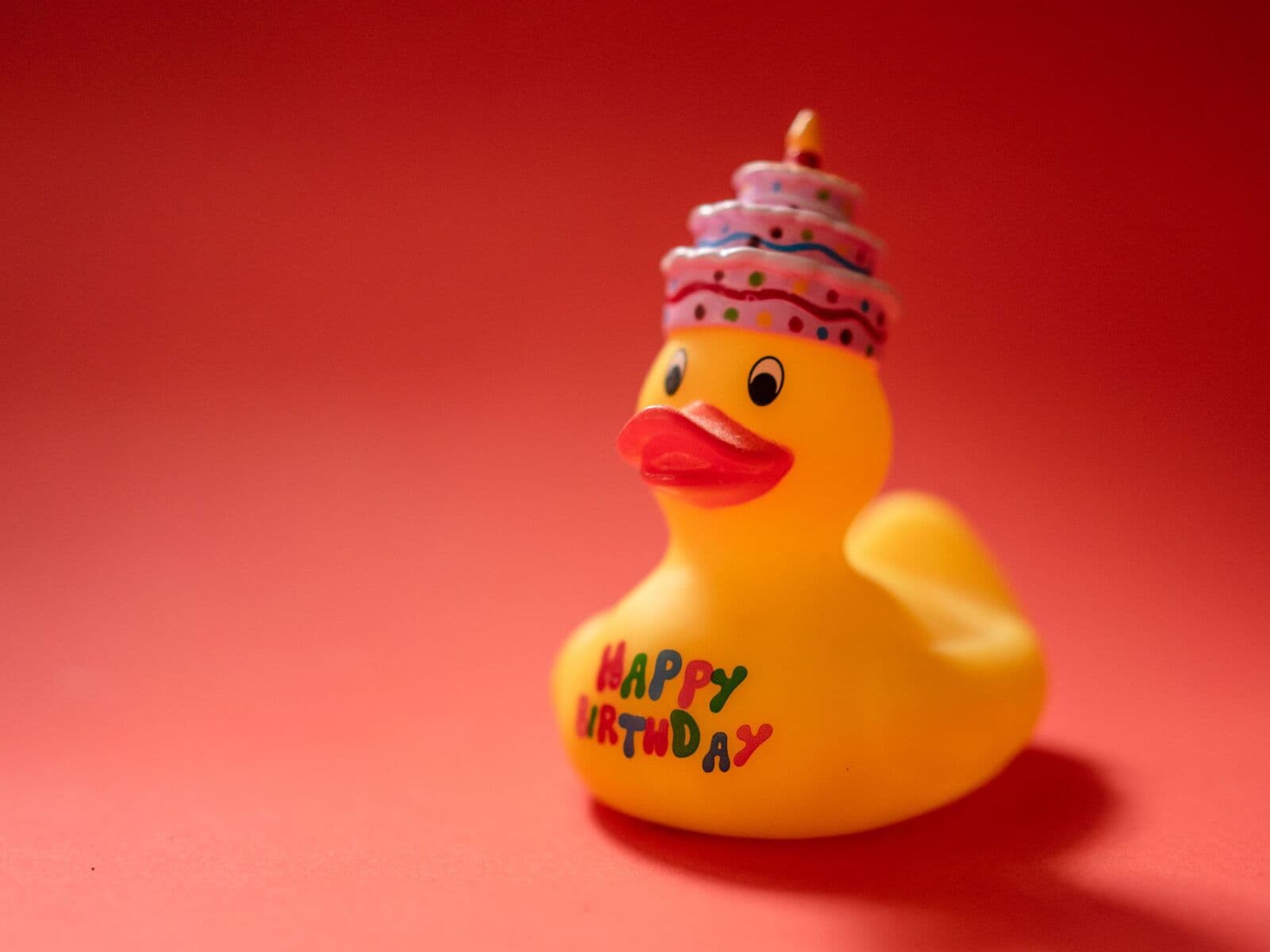
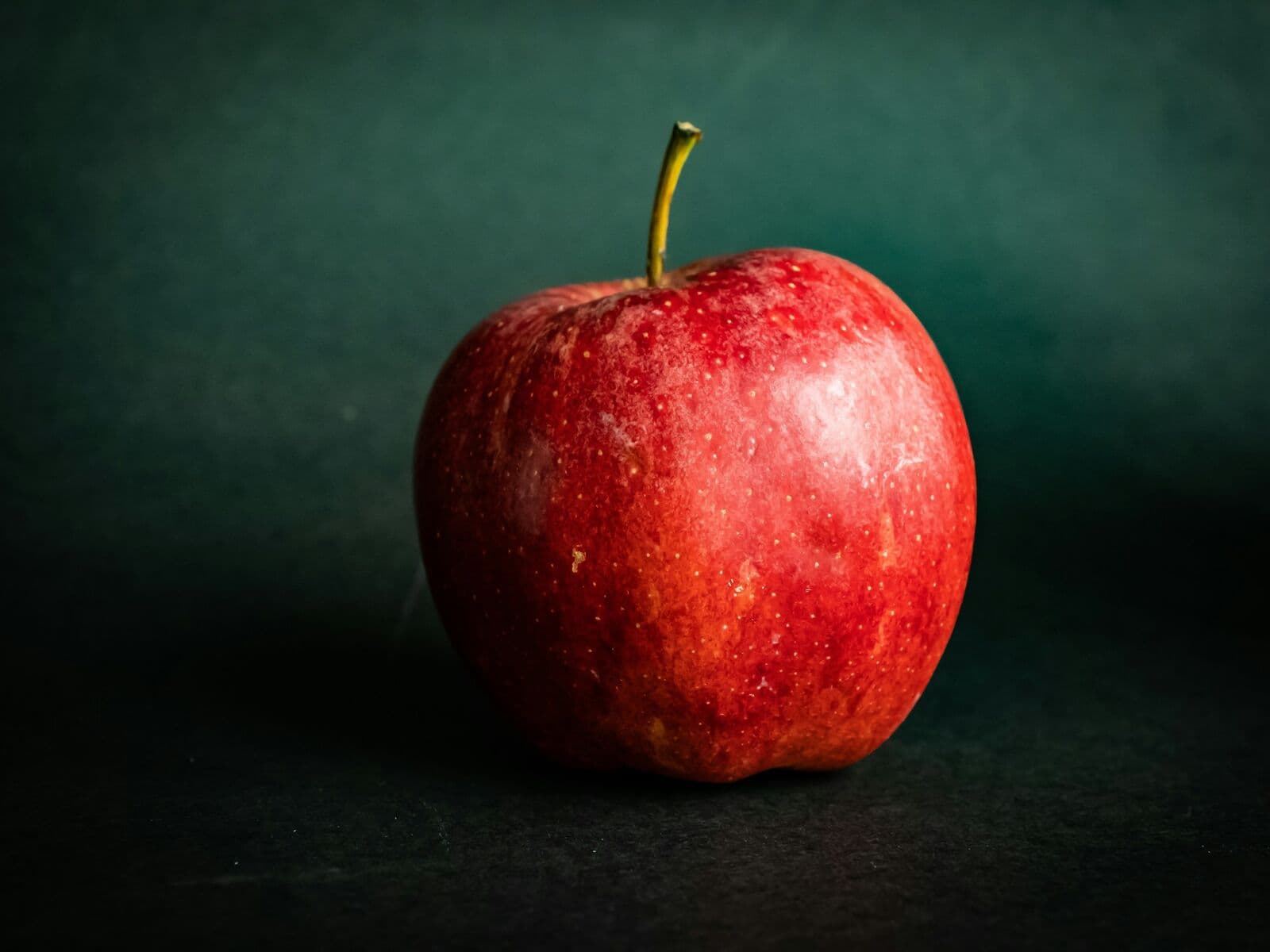
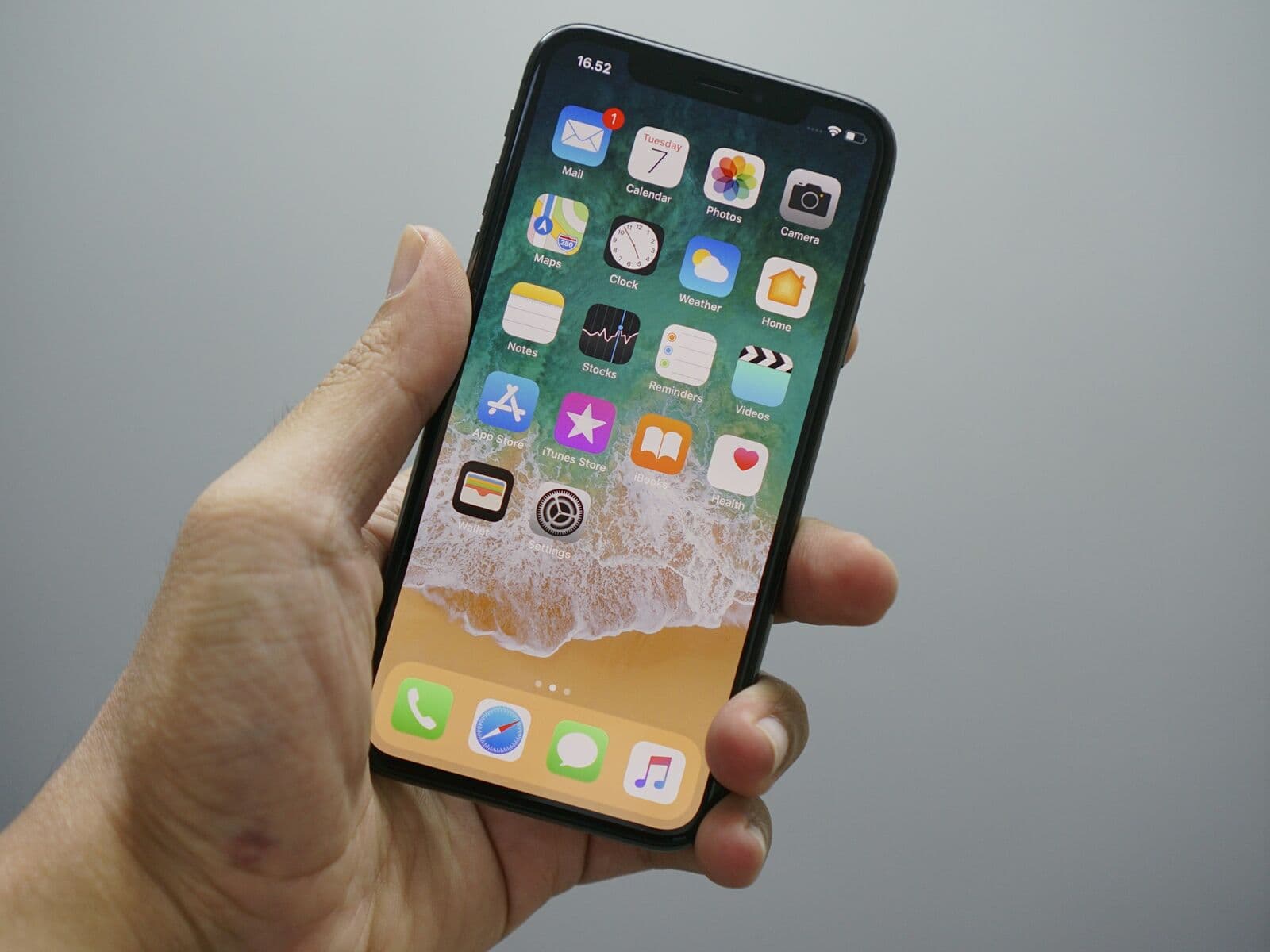
Choose something to look at
Jump to
Estimated acuity
20/600
About as clear as this picture would look to you from 180 m away.
- Detail
- Contrast
- Colour
Newborn
What's happening now
Your baby can see, but only in broad shapes. Detail dissolves quickly with distance, colour is barely present, and the world is mostly soft areas of light and dark. Faces work at feeding distance — roughly the gap between your face and theirs when you hold them.
What you can do
Hold your face 20–30 cm away when you talk to them. That is where their focus is sharpest, and it is no accident that it matches feeding distance.
This simulator is an educational illustration built on population averages. It is not a vision test and not a medical assessment. Babies develop at different rates — if you have any concern about your child’s sight, speak to your GP, health visitor or an optometrist.
How this simulation works
The slider changes three things at once, because infant vision is not simply a blurred photograph. It reduces detail (visual acuity), it reduces the difference between light and dark (contrast sensitivity), and it drains colour (cone development). All three improve, but each on its own schedule.
Acuity is the one most people know. A newborn measures around 20/600, meaning what you can see clearly from 6 metres they would need to be roughly 30 centimetres away to make out. It improves about ten-fold across the first year.
Contrast sensitivity gets talked about far less and matters just as much. A newborn needs much more contrast than an adult before an edge registers at all, which is why bold black-and-white patterns hold their attention when a pastel mobile does not.
Colour arrives in a specific order. Red separates from grey first, the red–green channel follows at around two months, blue–yellow a few weeks after that, and basic colour vision is broadly adult-like by five to six months.
The figures come from preferential-looking studies using Teller acuity cards — the standard way of measuring sight in babies too young to read a chart. Individual babies vary a great deal, so treat this as an illustration of the trend rather than a measurement of your own child.
Vision milestones at a glance
Approximate figures for a baby born at term. Acuity is written the way an optician would write it: 20/60 means your baby sees at 20 feet what an adult with typical sight sees at 60.
| Age | Acuity | What changes |
|---|---|---|
| Newborn | 20/600 | High-contrast shapes only; sharpest focus at 20–30 cm. |
| 1 month | 20/400 | Fixes on faces; red begins to separate from grey. |
| 2 months | 20/300 | Red–green vision starts; tracking gets smoother. |
| 3 months | 20/200 | Follows objects smoothly; all colour channels active. |
| 4–5 months | 20/160 | Depth perception begins; reaching becomes accurate. |
| 6–8 months | 20/100 | Adult-like colour; recognises faces across a room. |
| 9–11 months | 20/75 | Spots small details at distance; judges distance well. |
| 12–17 months | 20/60 | Around 20/60; vision and movement work together. |
| 18–24 months | 20/40 | Roughly 20/30 by age two; 20/20 comes later. |
When to get eyes checked
Sight develops at different speeds, and early wobbles are common. A few signs are worth a prompt appointment with your GP, health visitor or an optometrist rather than waiting to see:
- One eye consistently turns in or out after three to four months of age
- No steady fixing on your face, or no following of a moving object, by around three months
- Constant jerky, wandering or shaky eye movements
- A white or cloudy appearance in the pupil, including in flash photographs
- Persistent watering, marked sensitivity to light, or a head tilt used to look at things
- One eye habitually closed or covered
Common questions
- Can newborns see colour?
- Barely. The cones that handle colour are immature at birth, so a newborn’s world is mostly light, dark and broad shapes. Red is the first colour to stand out, and basic colour vision is broadly adult-like by around five to six months.
- How far can a newborn see?
- Technically across a room, but only large, high-contrast shapes register at that distance. Focus is sharpest at roughly 20–30 cm, which is about the distance from your face to theirs while feeding.
- When do babies see clearly?
- Sharpness improves fastest over the first six months and keeps improving for years afterwards. Acuity is around 20/100 at six months and 20/30 by age two; full adult 20/20 usually arrives somewhere between three and five years old.
- Is a blurry photo really what my baby sees?
- It is an approximation, and blur on its own overstates how vivid a newborn’s world is. Reduced contrast and near-absent colour matter just as much, which is why this simulator adjusts all three together.
- Are black-and-white toys really better for newborns?
- For the first weeks, yes — high contrast is what a newborn’s visual system can actually detect. Once colour vision develops over the following months, coloured toys become just as engaging.
Read next
Follow what your baby sees next
Healthbooq Baby tracks vision alongside every other early milestone, with guidance written for the age your child is right now.
Explore Healthbooq BabyPhotographs by Cong H (Unsplash), Atlantic Ambience (Pexels), JK Sloan (Unsplash), Bagus Hernawan (Unsplash).